A platform for design and architecture from Borneo
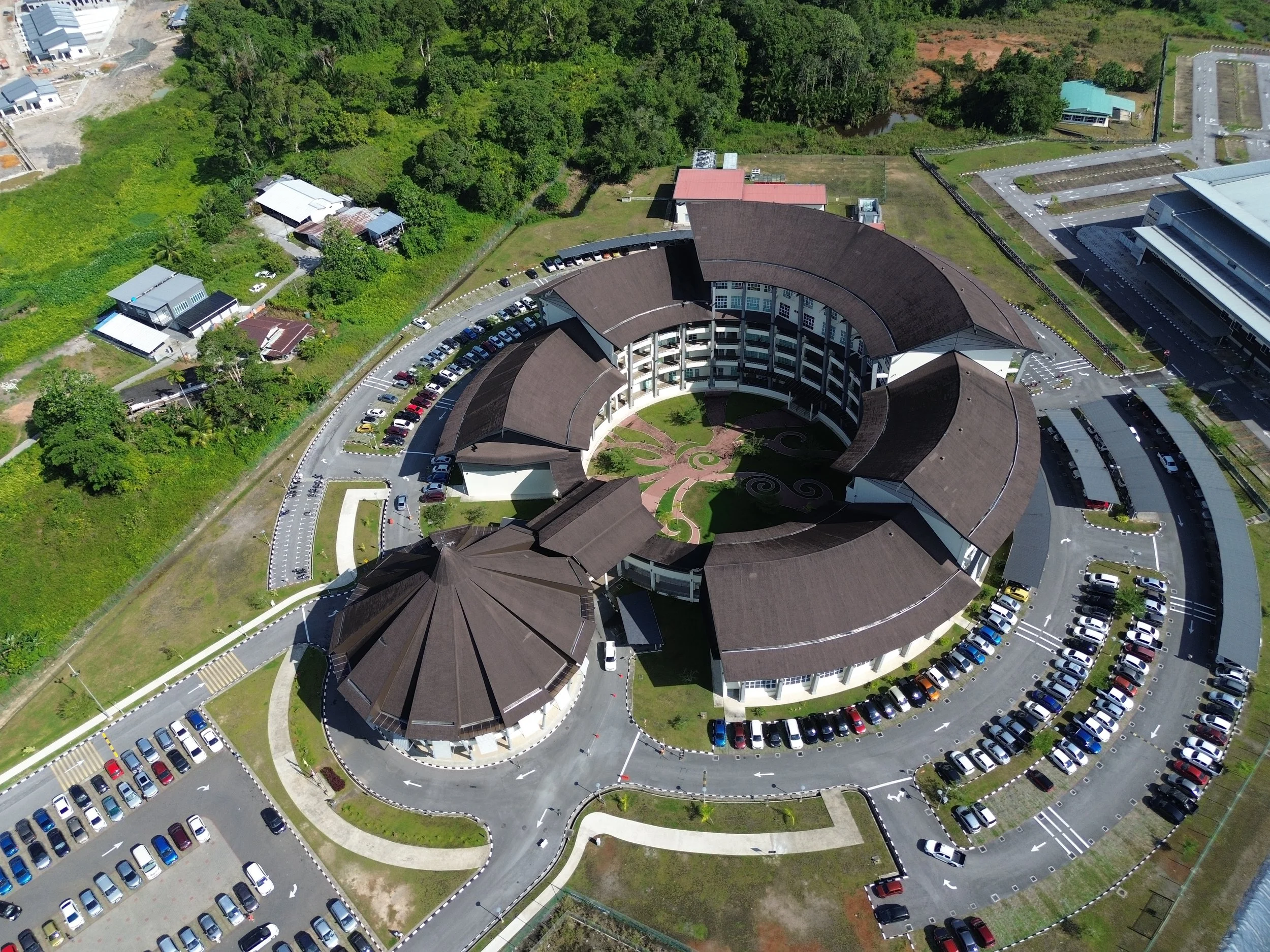
The proposed Serian Government Office Complex (GOC) serves as a centralised hub for key administrative departments within the newly established Serian Division. Inspired by the Bidayuh Longhouse and Baruk, the design reflects community, unity, and shared purpose. Multiple building blocks are arranged in a clustered layout, connected by curved corridors around a landscaped courtyard. At its heart, a Baruk-inspired structure functions as a social and civic focal point, housing a multi-purpose hall and exhibition space for public engagement.
Read More →
Located in Kota Kinabalu, Sabah, The Cara Hotel designed by Wowspace Studio is a refined retreat that bridges contemporary design with intimate luxury. Guided by the philosophy of restraint as luxury and rooted refinement, the hotel avoids fleeting trends in favour of emotional warmth and genuine rest. Rather than literal motifs, Sabah’s mountains, rainforests, and coastlines are abstracted into organic textures and softened forms. Thoughtfully paced spaces and nature-inspired guest rooms create a calm, unhurried atmosphere — an intimate sanctuary where guests can slow down and feel quietly embraced by the spirit of Sabah.
Hyatt Centric Kota Kinabalu, designed by Daniel Koh Architect, blends Sabah’s cultural heritage with vibrant city life in a coastal tropical setting. The hotel’s durable and lightweight gypsum boards by Saint-Gobain, including Gyproc® Glasroc® X for external walls and Baseline® and Topline® for interiors, ensure excellent performance, fire resistance, and sustainability. These eco-friendly materials contribute to the building’s resilience and comfort while supporting environmentally responsible construction.
Ar. Andrew Tan Boo Seng, born in Sibu in 1938, grew up in Kuching and trained at KL Technical College before earning a diploma and certificate in tropical architecture in the UK. One of the first Sarawakians at the Architecture Association, he began his career at P.W.D. Kuching before joining Norman Lehey in private practice. As director at Konsortium Malaysia, he contributed to landmark projects like Kenyalang Park housing and shopping centre, BDC housing schemes, and Council Negeri buildings. He values thoughtful design, pedestrian-friendly spaces, and adapting architecture to context.
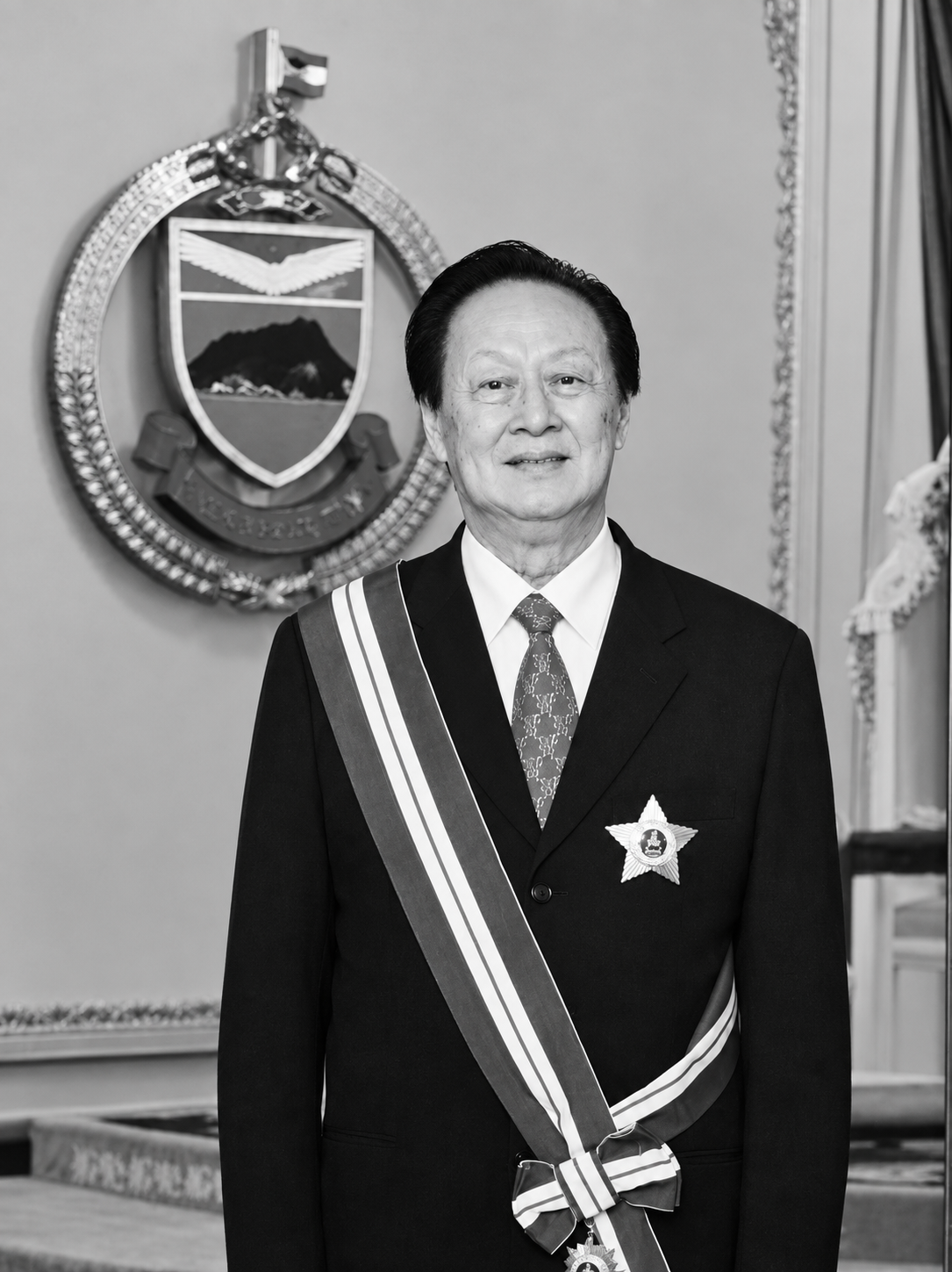
Ar. Philip Chang Foh Phing (1952–2023) was a pioneer architect in Sarawak whose career spanned public service, private practice, and professional advocacy. Educated at the University of Sydney, his formative years in Australia shaped both his political awareness and practical approach to building. After returning to Sarawak, he worked in JKR before co-founding United Consultants, delivering major public projects including the Kuching Waterfront. A committed mentor and advocate, Philip remained actively engaged in practice and professional institutions until his passing.
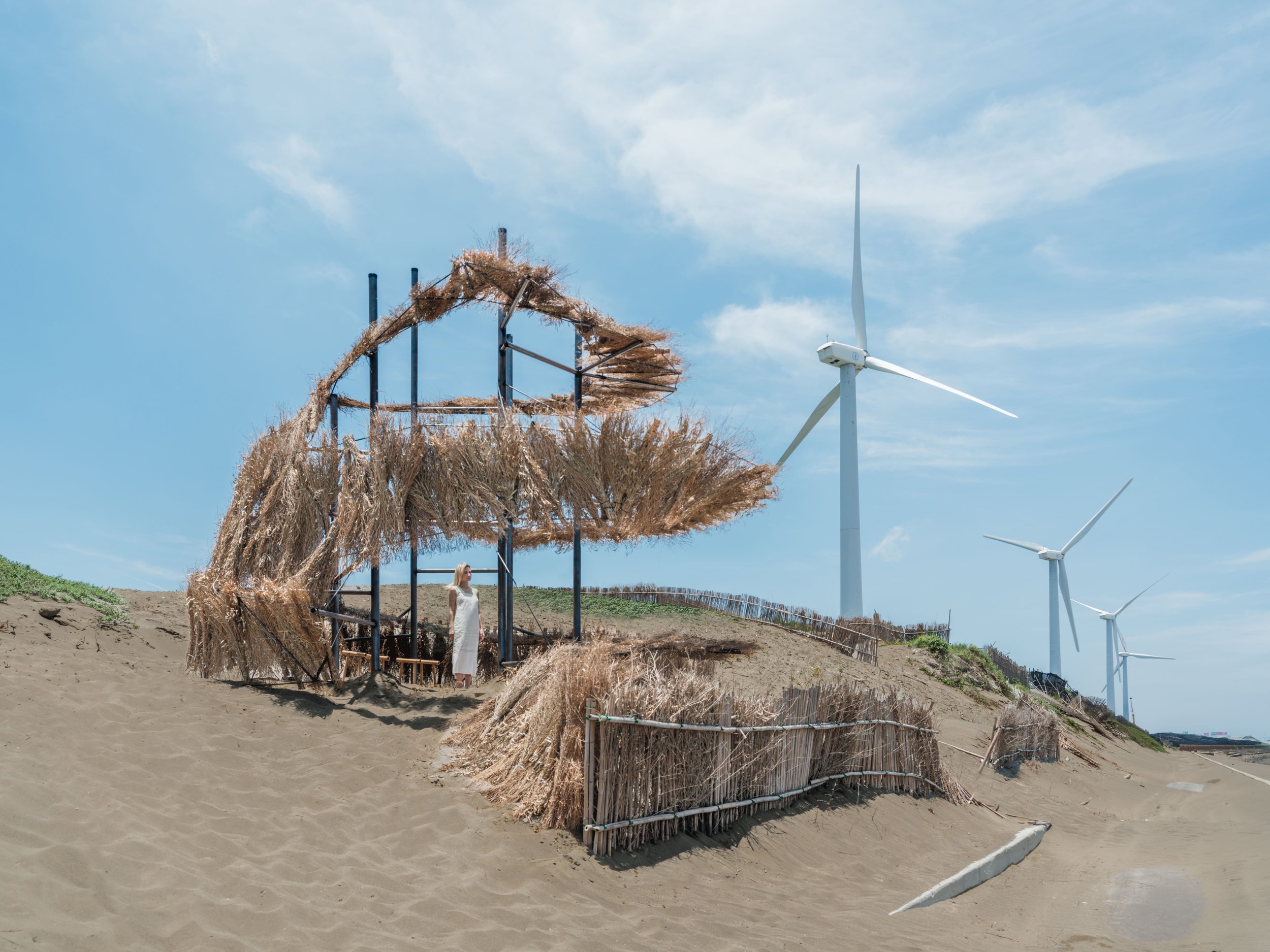
The Moon Pavilion, a temporary installation at Palmerium Park for World Architecture Day 2022, aims to inspire creativity and celebrate local traditions. Made from bamboo, it blends architecture, art, and community engagement, offering a platform for cultural events and fostering sustainable urban development.
Designed by MinWee Architects, the former 1980s car showroom was transformed into a new office for a logistics company with minimal demolition. Most existing structures were retained, while new additions—mainly lightweight steel—were introduced for speed and cost efficiency. A steel mezzanine creates an open-plan office, and the old dealership rooms now house back-of-house functions. A new single-storey, container-inspired conference block fronts the site. Completed in nine months, the project relied on on-site decision-making and close client involvement, serving as valuable training for the young team.
In the Malaysia-China Friendship Park, Kuching, the Red Ribbon Pavilion connects past and present, recalling a pivotal chapter in global history while celebrating the lasting connection between Sarawak, Yunnan, and beyond. Inspired by the contours of the 24-Turns Road, the pavilion honors the Nanyang Mechanics Volunteers who braved the Burma Road during World War II. More than a solemn monument, it embodies resilience, sacrifice, and the ongoing flow of life.
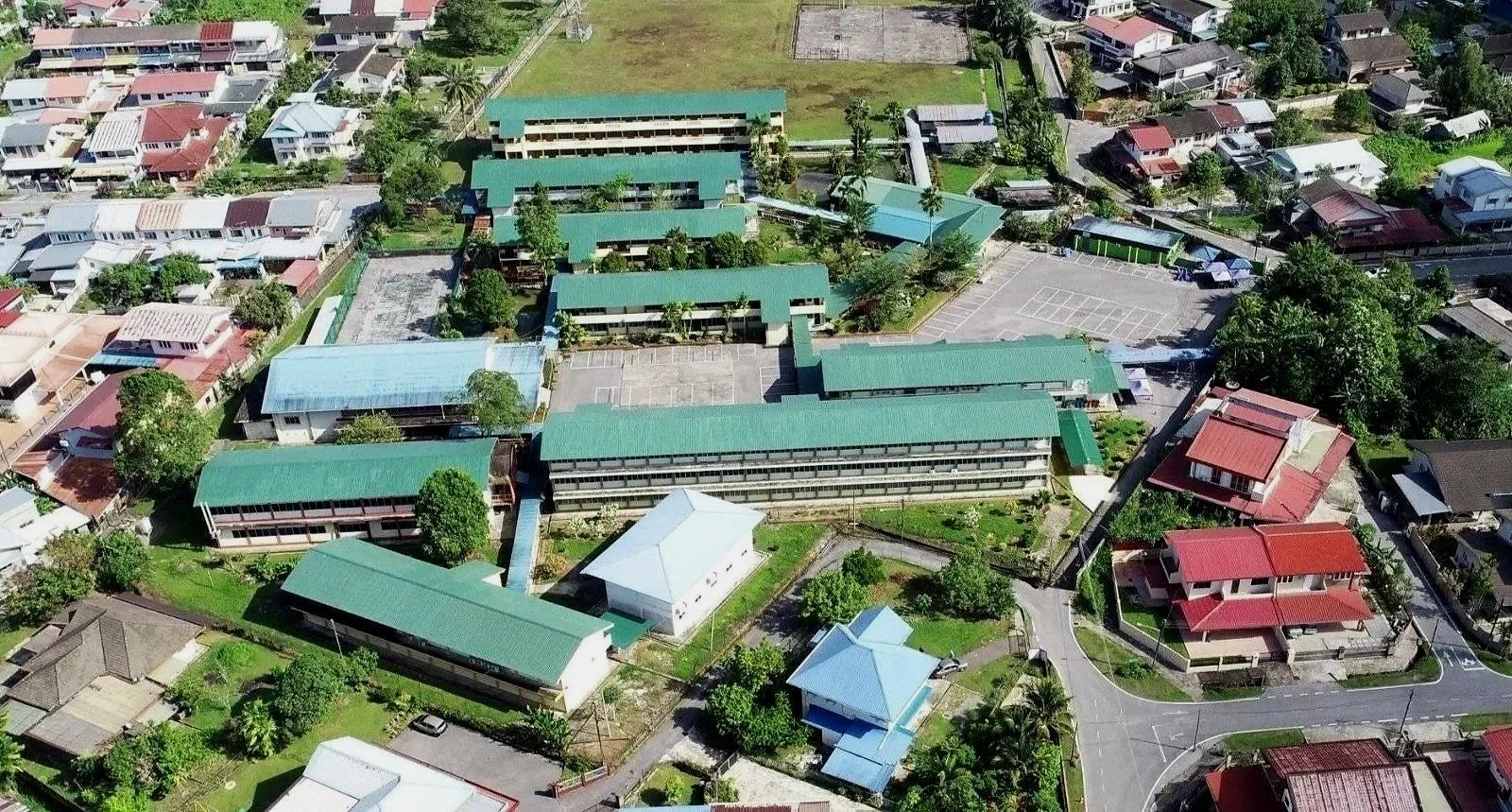
Returning to my middle school after twenty years, I came back not as a student but as an architect. What began as casual conversations evolved into small proposals—refurbishing spaces and improving circulation. These modest interventions reflect a thoughtful approach, where sensitively introducing new elements supports and reinvigorates the existing. Good architecture does not need to be flamboyant to work well. In schools, it becomes the quiet backdrop where everyday life unfolds and new memories are formed.
IM-EUROSHINGLE™, IM-SEAM™, IM-EUROPANEL™, ALUMINIUM PANELS, and IMETAL FACADE were used for the dome, roof, façade, and ceiling of Masjid Al-Madinah Al-Husna respectively. These high-performance materials, with finishes like COLOURCOIL® PVF2 and selected colour coating, offer durability, corrosion resistance, sleek designs, and easy maintenance.
Within the nostalgic enclave of Salak South, this corner terrace transforms a typical single-storey ‘taman’ house into a compact, multi-species home. Designed for three humans, 18 cats, and 2 dogs, the house is extended upward with a lightweight steel structure. A central landscaped courtyard reorients the plan, improving light and cross ventilation while organising spaces to the perimeter. Living areas connect to a screened terrace, blending indoor and outdoor use. Upstairs mirrors the layout, with a studio and dedicated feline zones. Using a restrained palette of concrete, steel, brick, aluminium, and glass, the design prioritises durability, airflow, and ease of maintenance.